
Food isn’t just fuel — it’s emotion, connection, and memory wrapped in flavor. One bite of a dish can take you back years, reminding you of a moment, a place, or a person. Unlike many experiences that fade, food memories stay sharp, almost alive. But what makes them so unforgettable? Let’s explore.
A Bite That Brings Back the Past
Scientists say taste and smell have a direct pathway to the hippocampus and amygdala — the parts of the brain that handle memory and emotions. That’s why food often works like a time machine.
Think about biting into a mango: suddenly, you’re back to summer afternoons of childhood, juice dripping down your fingers. Or the taste of noodles might take you to your college days, late-night dinners with friends. It’s not just food — it’s a bookmark in your life story.
The Smells That Stay Forever
Smell is the unsung hero of memory. Unlike sight or sound, which pass through filters in the brain, smell directly connects to the emotional center. That’s why it’s so powerful.
The aroma of cardamom can bring back memories of family festivals. The scent of freshly baked bread might remind you of a small bakery from your hometown. What makes these memories stronger is how personal they are — one whiff, and suddenly you’re reliving a moment with incredible clarity.

Meals That Mean More Than Food
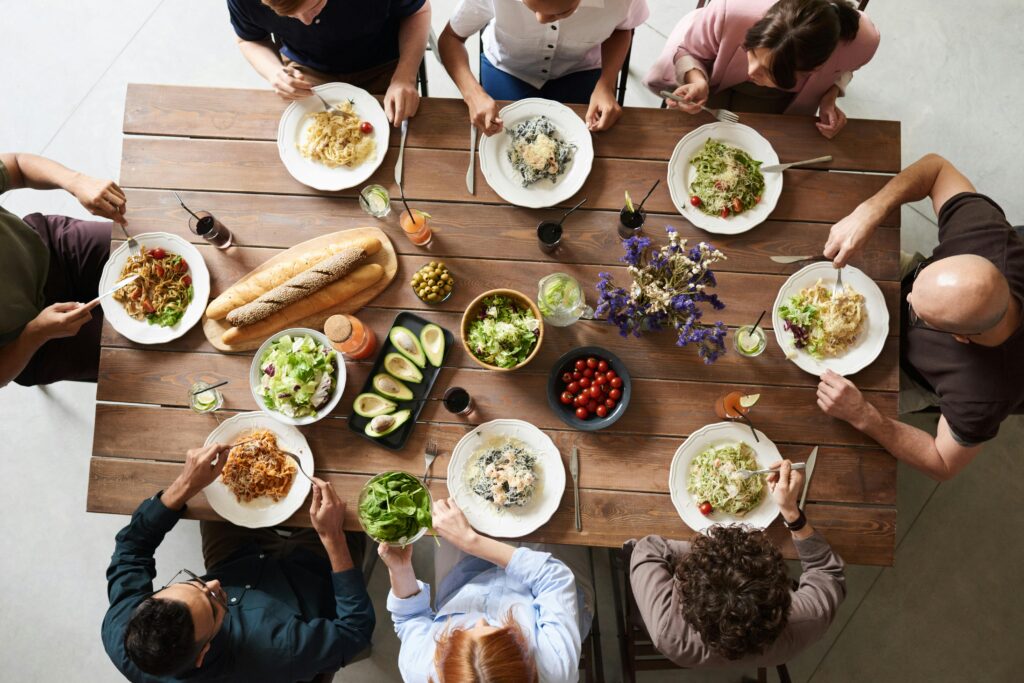
We often say food brings people together — but it also holds people in our memories. Think about your grandmother’s recipe, a wedding feast, or the first meal you cooked for someone special. You don’t just remember the flavors, you remember the laughter, the stories, and the emotions that surrounded the meal.
This is why food and relationships are so tightly linked. The dish may fade from memory, but the feeling of being cared for, celebrated, or comforted through food never does.
When All the Senses Work Together
Unlike other memories, food is multisensory. You don’t just taste it — you hear the sizzle, see the vibrant colors, feel the texture, and smell the spices. Each sense adds another layer to the memory, making it harder to forget.
For example, the crunch of a papad, the sight of golden butter melting on naan, or the sizzling sound of kebabs being grilled — they all combine into one vivid experience. This rich sensory detail is why food memories remain so sharp long after the meal is over.
Food That Connects Us to Home
Food is also cultural memory. A single dish can carry stories of migration, tradition, and belonging. Recipes passed down from parents or grandparents aren’t just meals; they’re pieces of heritage.
For people living abroad, tasting familiar food often feels like traveling home without leaving the table. It’s a reminder of family gatherings, traditions, and identity. That’s why food is more than nourishment — it’s a thread that ties us to our roots.
How Old Flavors Shape New Cravings
Ever wondered why comfort food is so powerful? It’s because our earliest food memories set the tone for what we crave later in life. If hot soup comforted you as a child when you were sick, chances are you’ll reach for soup when you need comfort as an adult.
Psychologists call this associative learning — the brain links certain foods with certain feelings, and those links never fade. It’s why food memories not only stay with us but actively shape who we are and what we eat today.
Final Bite: Memories Served on a Plate
Food memories endure because they are more than flavors — they are emotions, stories, and identity all rolled into one. They remind us of where we’ve been, who we love, and what makes us feel at home.
At Anaya Foods in The Hague, we believe in creating meals that don’t just taste good in the moment, but linger as memories long after the last bite.